Why Many Practices Lack Visibility Into Profitability
Revenue is coming in. The schedule looks full. Patients are being seen consistently.
And yet, many practice owners still find themselves asking:
- Are we actually profitable?
- Which providers, services, or appointment types are driving growth?
The issue isn’t a lack of data. It’s a lack of clarity.
Most practices already have the information they need, but it’s often disconnected across systems, delayed by manual reporting, or difficult to interpret. Scheduling lives on one platform, billing on another, and patient communication somewhere else entirely.
By the time everything is pulled together, the moment to act has already passed.
Profitability problems are often visibility problems. And without a clear view of how operations connect to revenue, it’s difficult to make confident decisions.
This is where health analytics software becomes essential. It helps practices turn scattered data into clear, actionable insights.
Why Healthcare Profitability is Harder to Understand Than It Should Be?
At a high level, profitability seems simple: revenue minus expenses. But in reality, it’s influenced by dozens of operational variables happening every day.
Most practices operate with:
- Multiple systems (practice management, billing, communication tools)
- Manual reporting processes
- Limited time to analyze performance
As a result, critical insights are often missed, including:
- True cost per appointment
- Provider-level productivity
- Schedule utilization gaps
This lack of alignment creates blind spots.
According to research on healthcare operations, administrative inefficiencies and fragmented systems remain a major challenge across the industry, limiting the ability to turn data into actionable insights.
Practices don’t lack data. They lack a connected view of that data.
Where Profitability Breaks Down in Daily Healthcare Workflows
Profitability isn’t just a financial metric. It’s shaped by daily operational decisions.
Where Do Scheduling Gaps and Underutilized Capacity Impact Revenue?
Every unfilled appointment slot represents lost revenue. But without visibility into utilization trends, it’s difficult to identify patterns or proactively fill gaps.
Even small inefficiencies, like a few open slots per day, can compound into significant revenue loss over time.
How Do No-Shows and Last-Minute Cancellations Affect Profitability?
Missed appointments are one of the most common sources of revenue leakage, and one of the least consistently tracked.
Research shows:
- The average healthcare no-show rate is around 23%
- Missed appointments cost the U.S. healthcare system up to $150 billion annually
- Automated reminders can reduce no-shows by 35 – 40%
Without clear tracking, the impact of these losses often goes unnoticed.
How Does Inefficient Patient Flow Limit Daily Production?
Even when schedules are full, inefficiencies in patient flow, like delays, bottlenecks, or inconsistent processes, can reduce how many patients are actually seen.
These inefficiencies don’t always show up in financial reports, but they directly impact productivity and revenue.
Why Do Missed Recalls Impact Long-Term Growth?
Preventive care and follow-up visits are essential for both patient outcomes and consistent, long-term revenue.
When recall processes rely on manual tracking or inconsistent workflows, patients fall through the cracks. Over time, this leads to gaps in care and missed revenue opportunities.
These are operational issues, not just financial ones.
How Solutionreach helps:
Solutionreach helps reduce no-shows, improve recall, and fill schedules through automated communication workflows.
👉 Explore Appointment Reminders ->
Why Spreadsheets and Static Reports Fall Short in Healthcare Analytics
Many practices rely on a familiar process:
Export data → build spreadsheets → review monthly
While this approach works to a point, it has clear limitations:
- Data is outdated by the time it’s reviewed
- Critical insights are delayed
- Comparing performance across locations is difficult
This leads to reactive decision-making.
By the time an issue is identified, such as declining utilization or rising no-show rates, it has already impacted revenue.
Static reporting tells you what happened. It doesn’t help you act or prevent issues in real time.
What Health Analytics Software Does—and Why It Matters for Practices
Health analytics software connects data across systems to provide a clear, real-time view of practice performance.
Instead of relying on fragmented reports, practices gain:
- Real-time visibility into scheduling, engagement, and revenue signals
- Standardized reporting across providers and locations
- Early identification of trends and inefficiencies
The result? Faster, more confident decisions.
Instead of asking “What happened last month?,” practices can answer “What’s happening right now, and what should we do next?”
How Healthcare Profitability Software Connects Operations to Revenue
Healthcare profitability software goes a step further by linking operational performance directly to financial outcomes.
Profitability is driven by everyday factors like:
- Scheduling efficiency
- Patient engagement
- Visit completion rates
Modern tools help practices understand:
- Which appointment types generate the most revenue
- Where capacity is underutilized
- Which workflows are creating delays
This shift is critical.
Profitability becomes something you can measure and improve, not something you estimate.
How Solutionreach helps:
Solutionreach provides visibility into patient engagement and scheduling performance, helping practices connect daily workflows to revenue outcomes.
👉 Explore connected patient engagement ->
What Healthcare Performance Analytics Should Look Like for Growing Practices
For growing practices, healthcare performance analytics doesn’t need to be complicated. It needs to be focused.
The most impactful metrics include:
- Appointment utilization
- No-show rates
- Recall effectiveness
- Patient engagement trends
These metrics may seem small individually, but they scale quickly.
For example, reducing no-shows by even a small percentage can recover thousands in revenue annually, especially in high-volume practices.
Small inefficiencies multiply, and so do improvements.
How Multi-Location Practices Can Improve Profitability Without Adding Complexity
As practices expand to multiple locations, visibility challenges increase.
Common issues for practices with 2 to 5 locations include:
- Inconsistent workflows
- Limited visibility across sites
- Difficulty standardizing performance
What helps:
- Standardized reporting
- Shared performance benchmarks
- Connected systems across locations
According to a survey by Guidehouse, health care executives realize that emphasizing digital and IT investments is critical for operational efficiency, leading to enhanced visibility and revenue.
Consistency drives predictability, and predictability drives profitability.
How Solutionreach helps:
Solutionreach helps standardize communication and engagement workflows across locations while maintaining flexibility at each practice.
👉 Explore Location Management ->
How Practices Can Get a Clear View of Performance and Profitability
Improving profitability doesn’t require more data. It requires better visibility.
To start with, practices can:
- Identify scheduling gaps
- Measure no-show rates
- Review recall performance
These are simple, high-impact areas where small improvements can drive meaningful results.
Often, the biggest opportunities are already there. They just haven’t been clearly seen.
Frequently Asked Questions About Health Analytics Software
What is health analytics software in healthcare?
Health analytics software connects data from scheduling, billing, and patient communication systems to provide a unified view of performance. It helps practices understand both operational efficiency and financial outcomes in real time.
Why do most healthcare practices struggle to understand profitability?
Because their data is fragmented across multiple systems and often reviewed too late to act on. Without a connected view, it’s difficult to link daily workflows to revenue outcomes.
How does healthcare profitability software improve financial performance?
It highlights inefficiencies, such as no-shows, underutilized schedules, and missed recalls, that directly impact revenue. With this visibility, practices can take targeted action to improve performance.
What metrics should practices track to improve profitability?
Practices should focus on appointment utilization, no-show rates, recall effectiveness, and patient engagement. These metrics provide a clear picture of where revenue is gained or lost.
How can small or multi-location practices use healthcare performance analytics effectively?
By focusing on a core set of metrics and standardizing reporting across locations. This creates consistency, simplifies decision-making, and supports scalable growth.
Key Takeaways: Improving Profitability with Health Analytics Software
Profitability challenges in healthcare practices are often caused by a lack of visibility, not a lack of effort. While data exists across multiple systems, it is frequently disconnected, delayed, or difficult to interpret, making it hard to understand what’s truly driving performance.
Health analytics software bridges this gap by connecting operations to outcomes. With clear insights into scheduling, patient engagement, and workflow performance, practices can identify inefficiencies, reduce revenue leakage, and make more confident decisions. Over time, even small improvements in visibility can lead to meaningful gains in profitability and sustainable growth.
Profitability shouldn’t feel like a guessing game.
When scheduling, communication, and performance data are connected, practices gain a clearer understanding of what drives growth and where opportunities exist.
See how better visibility can help you improve utilization, reduce gaps, and strengthen performance across your locations.

How do 60+ locations standardize patient communication without overwhelming staff?
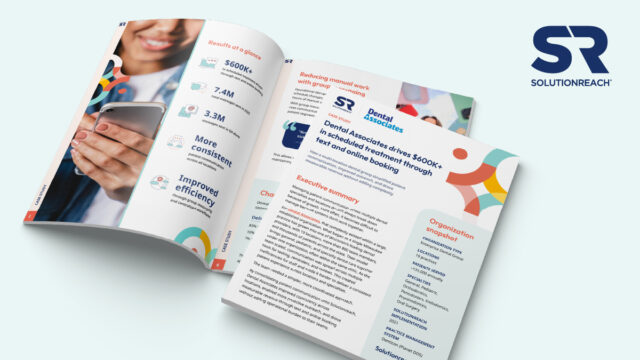
👉 Download the ESP case study to see how unified workflows reduced no-shows, lowered call volume, and scaled engagement across 200+ providers.