A new patient is ready to book.
They call while your front desk team is checking someone in, helping another patient at the counter, or already on another line. Or they call at 7:30 p.m., after everyone has gone home.
They don’t need much. They just need a way to get on the schedule.
When that can’t happen in the moment, you’ve got a scheduling gap: the stretch between a patient’s decision to book and your practice’s ability to complete the appointment. It can happen in one busy office or across several locations where call volume changes throughout the day.
AI scheduling can cover some of those moments. It gives patients a way to handle routine booking when your team can’t answer right away, while your front desk stays focused on the people and questions that need them.
Where New Patient Scheduling Breaks Down
Patient demand doesn’t follow your office schedule. Someone may look for a provider before work, call on a lunch break, or decide to book after dinner. During the day, that same call can come in while your front desk team is helping the patient standing in front of them.
That’s where timing starts to matter. A call may hit voicemail. A scheduling request may land in a callback queue. In a multi-location group, one office may be swamped while another has more room to respond.
Practice leaders are paying attention to both sides of the problem. In a December 2025 poll of 236 medical practice leaders, MGMA found online scheduling (24%) and phone access (22%) were nearly tied among their top patient-access priorities for 2026.
Some patients want to book online. Others still pick up the phone. Your access strategy has to work for both, especially when your team is busy or the office is closed.
Why New Patients Are More Likely to Move On
Existing patients already know your practice. They may know who to call, how scheduling works, or that your team will get back to them. New patients haven’t built that relationship with you yet.
They may be comparing a few practices, following a referral, or trying to squeeze an appointment into a busy day. If the first call ends in voicemail or an online request still needs a callback, you’ve asked them to take another step before they ever meet your team.
You may still get the appointment. But the longer the path to booking becomes, the easier it is for a new patient to put it off or keep looking.
The phone is still a big part of this picture. Research published in Health Affairs Scholar found that 72.1% of surveyed U.S. adults had used a phone call to schedule at least one medical appointment in the prior year, and 56.4% said the phone was their primary scheduling method.
Phone access still matters, even if you already offer online scheduling.
Why Online Scheduling Alone Doesn’t Close the Gap
Online scheduling is valuable. It gives patients a way to book on their own time and can take routine demand off the phones. But it won’t solve every access problem.
If your setup only collects a request, or if appointment types, provider availability, locations, or scheduling rules aren’t reflected clearly, the work lands back on your front desk. Someone still has to call the patient and finish the booking.
At one office, that means extra callbacks. Across several locations, it can also mean different teams handling the same exception in different ways.
More ways to schedule only help if they actually move the patient closer to a booked appointment.
How Solutionreach helps
Solutionreach gives patients two ways to keep booking moving: self-service Online Scheduling and our AI Receptionist, Stella, for calls your team can’t take. Both connect to your scheduling workflows so patients aren’t left waiting for a callback.
👉 Explore Solutionreach Online Scheduling
How AI Scheduling Helps When Your Team Can’t Answer
AI scheduling is most useful when it takes routine appointment work off your team’s plate, not when it tries to handle every call.
Depending on the solution and how you set it up, that can include:
- Answering scheduling calls during busy periods or after hours.
- Helping patients schedule, cancel, or reschedule supported appointment types.
- Checking approved availability and following your scheduling rules.
- Completing supported bookings without creating another callback for staff.
- Handing off questions or situations that need a person.
Some calls need a person. Clinical questions, billing concerns, medication issues, and anything nuanced or sensitive should still reach the right member of your team. A straightforward scheduling request is different.
That routine work adds up. In a March 2026 poll of 294 medical practice leaders, MGMA found that 31% named scheduling as one of the most time-consuming categories of phone work.
When routine calls can be handled in the moment, your team has fewer callbacks waiting and patients don’t have to try again later.
How Solutionreach helps
Our AI Receptionist, Stella, answers calls and SMS messages when your team can’t, then schedules, reschedules, or cancels supported appointments in real time. Your front desk gets backup without handing over the whole front desk.
👉 Explore Solutionreach AI Receptionist
Is Your Front Desk Facing a Staffing Problem or a Coverage Gap?
When the phones pile up, the first thought is often, ‘We need another person.’ Sometimes you do. But if missed calls cluster over lunch, after hours, or during another predictable rush, you may be dealing with a coverage gap instead.
A quick look at your day can show you where the pressure is coming from:
- When are your phones busiest? Look for predictable spikes during check-in, lunch, late afternoon, or other high-traffic periods.
- What happens whenyou’reclosed? Check how many appointment requests arrive before opening, after closing, or on weekends.
- How much scheduling work turns into a callback? Review voicemail and callback queues for routine requests that could have been completed on the first call.
- How often does the phone pull your team away from patients? If staff regularlyhave tochoose between the caller and the person at the desk, that’s worth measuring.
For one office, the gap might be a lunch-hour rush. Across multiple locations, it might be uneven call volume or inconsistent coverage. Either way, start with the moments when patients are most likely to wait or hit voicemail.
What this can look like in practice
Fadel Eye Professionals, a five-location eye care group, offers one example. In a Solutionreach case study, the group reported that Stella handled 1,300 calls over 42 days and booked 71 appointments from scheduling calls that might otherwise have gone to voicemail. It reported $53,250 in recovered production and a 17x return over that period. Individual results vary, but the setup is simple: staff answer first, and Stella catches the calls they can’t.
What to Look for in AI Scheduling Software
If you’re comparing AI scheduling or AI receptionist tools, start with your workflow, not the AI. The useful questions are practical ones:
1. Does it book in the schedule you already use?
The tool should work with your existing scheduling system and current availability where supported. If every booking creates cleanup or reconciliation work, it isn’t saving your team much time.
2. Can you set the rules?
You should control which appointment types, providers, locations, hours, and availability the AI receptionist can use, then be able to change those settings as your needs change.
3. What happens when a call needs a person?
Not every request belongs with automation. Make sure there’s a clear handoff when a patient needs clinical guidance, has a complex question, or falls outside the workflow you’ve configured.
4. Can your team see what happened?
Your front desk team should be able to review conversations, call outcomes, and bookings without guessing what happened when the AI receptionist tool stepped in.
5. Can you start small?
For many practices, after-hours coverage is a sensible first use case. You can capture calls that would otherwise reach voicemail, see how the workflow performs, and decide later whether you want help during busy daytime periods too.
6. How does it handle patient data?
Scheduling involves patient information. Ask how data is handled, what access controls are in place, and how the vendor supports healthcare privacy requirements.
A good fit should make access easier for patients without giving your front desk team another complicated system to babysit.
How Solutionreach helps
With AI Receptionist, you choose when Stella answers, what she can schedule, and when a call comes back to your team. Many practices start after hours, review the results, then decide whether daytime overflow makes sense.
👉 See how Solutionreach AI Receptionist works
Frequently Asked Questions About AI Scheduling and AI Receptionists
What is AI scheduling in healthcare?
AI scheduling uses your availability and scheduling rules to handle routine appointment requests. With Solutionreach, Stella can step in when your team can’t answer and help patients schedule, reschedule, or cancel supported appointments in real time.
How can AI scheduling help you capture new patients?
It gives patients a way to finish routine booking when your front desk team can’t answer right away, so fewer scheduling requests turn into voicemail, callbacks, or unfinished bookings.
Is an AI receptionist the same as AI scheduling?
Not exactly. AI scheduling is the appointment-booking function. An AI receptionist can cover more of the front-desk conversation. Stella, for example, can answer calls and SMS messages, handle routine practice questions, and complete supported scheduling when your team can’t.
Can AI scheduling work during office hours and after hours?
Yes. Depending on your setup, you can use it for busy-hour overflow, after-hours coverage, or both. You decide when Stella is active and which workflows she can handle.
Will AI scheduling replace your front desk team?
No. Stella is built to back up your front desk team, not replace it. She handles routine scheduling when your team can’t answer, while your staff stays focused on patients and conversations that need a person.
Close the Gap Between Patient Interest and a Booked Appointment
A scheduling gap rarely announces itself. It’s the call that reaches voicemail while your front desk is helping someone else, or the after-hours request that sits until morning. Across multiple locations, those small gaps can add up quickly.
AI scheduling gives you backup in those moments. Stella can keep routine booking moving while your team stays focused on the patients and conversations in front of them.
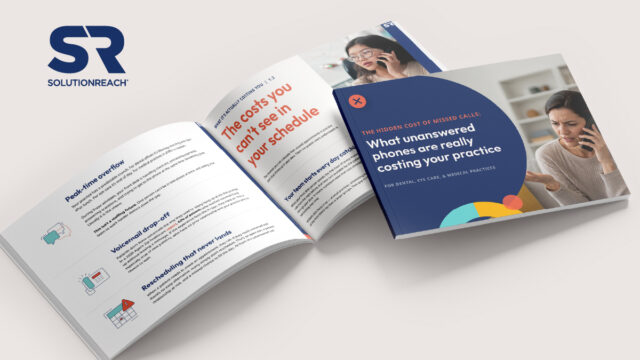
Your missed-call problem may be bigger than you think.
Use the guide to put a number on it.